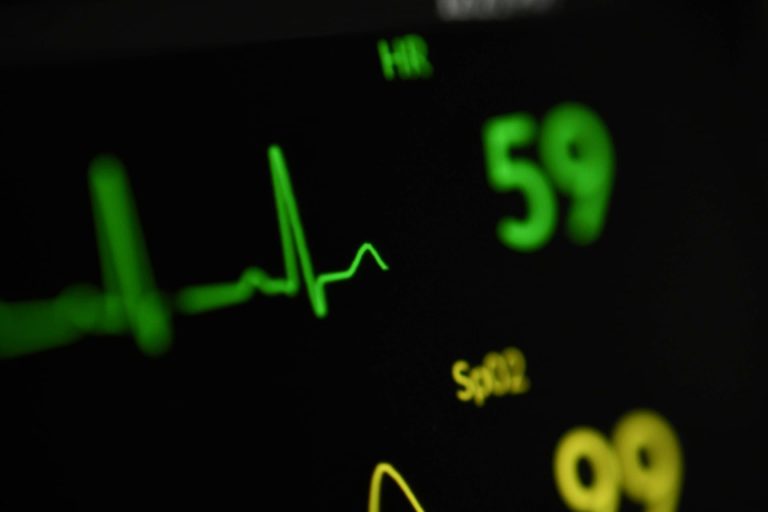

Cardiology centers on one organ, but its impact reaches every part of the body. The heart’s rhythm, strength, and circulation influence energy levels, cognitive clarity, and long-term health. Cardiology providers evaluate symptoms that range from subtle fatigue to sudden chest pain, translating them into meaningful clinical insight.
Care often begins with listening—both to the patient’s story and to the heart itself. Diagnostic tools such as electrocardiograms, echocardiograms, and stress testing reveal how the heart responds at rest and under strain. From there, cardiology care branches into prevention, management, and intervention.
For some patients, cardiology focuses on risk reduction: managing blood pressure, cholesterol, and lifestyle factors to prevent future disease. For others, it involves ongoing care for chronic conditions such as arrhythmias or heart failure, where medication management and close monitoring are essential. In acute cases, cardiology plays a decisive role in stabilizing patients and coordinating advanced procedures.
Cardiology is not solely reactive. It emphasizes long-term partnerships, helping patients understand how daily choices influence cardiac health. Education around exercise, nutrition, stress, and medication adherence becomes part of the treatment plan.
By combining advanced diagnostics with patient-centered care, cardiology supports both immediate cardiac function and lifelong cardiovascular health. The goal is not just treating disease, but helping the heart continue its work reliably for years to come.