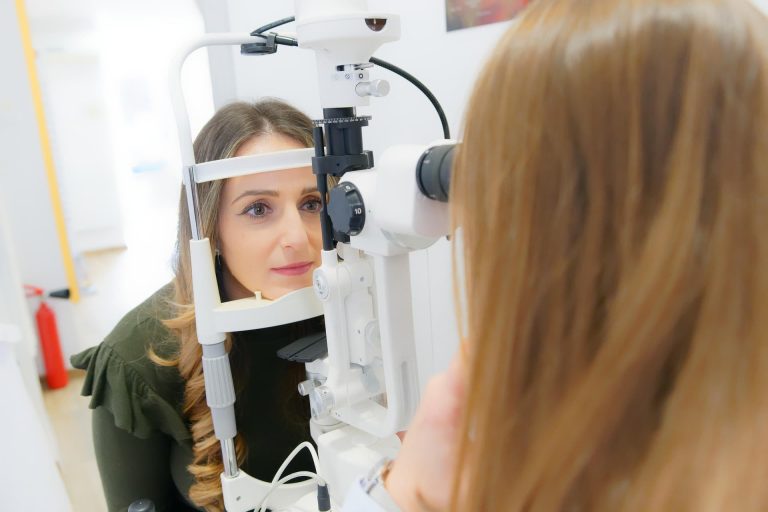

Ophthalmology focuses on the health of the eyes and visual system, addressing vision as both a critical sensory function and an essential component of overall well-being. This medical specialty encompasses the diagnosis, treatment, and management of a wide range of eye conditions, from common refractive errors to complex and sight-threatening diseases. Through advanced diagnostic techniques and individualized care, ophthalmology plays a vital role in preserving vision and enhancing quality of life.
Comprehensive eye care begins with thorough examinations designed to assess visual acuity, eye coordination, and overall eye health. These evaluations often include detailed testing and imaging to examine internal eye structures such as the retina, optic nerve, and cornea. Advanced diagnostic tools allow providers to identify subtle changes that may indicate early stages of disease, even before symptoms become noticeable to the patient.
Ophthalmologists diagnose and manage a wide variety of conditions, including nearsightedness, farsightedness, and astigmatism, as well as more complex disorders such as glaucoma, cataracts, macular degeneration, diabetic eye disease, and retinal conditions. Early detection and appropriate treatment are critical in preventing vision loss and maintaining long-term eye health. For patients with chronic conditions, ongoing monitoring and individualized treatment plans help preserve vision and reduce the risk of complications.
In addition to medical management, ophthalmology includes procedural and surgical care when necessary. Treatments may range from in-office procedures to advanced surgical interventions aimed at restoring or preserving vision. Whether addressing cataracts, repairing retinal damage, or managing glaucoma, care is guided by evidence-based practices and tailored to each patient’s specific needs.
Preventive care is a cornerstone of ophthalmology. Regular eye examinations allow providers to detect conditions that may develop gradually and without early symptoms. Diseases such as glaucoma and diabetic retinopathy can progress silently, causing irreversible damage if left untreated. Routine screenings are especially important for individuals with diabetes, high blood pressure, a family history of eye disease, or age-related risk factors.
Ophthalmology also plays an important role in overall health management. Because the eyes can reveal signs of systemic conditions such as diabetes, hypertension, autoimmune disorders, and neurological disease, eye examinations often contribute to early diagnosis and coordinated care with other medical specialties. This integrated approach helps ensure that both vision and general health are appropriately managed.
By preserving sight and supporting visual function, ophthalmology contributes directly to independence, safety, and quality of life. Clear vision supports daily activities such as reading, driving, working, and maintaining social connections. For older adults, proper eye care can reduce fall risk and support continued independence. For working adults and children, good vision is essential for productivity, learning, and overall well-being.
Through preventive screenings, advanced diagnostics, and comprehensive treatment options, ophthalmology remains a vital part of modern healthcare. Its focus on protecting and restoring vision helps patients maintain confidence, functionality, and quality of life at every stage.