Orthopedics is the medical specialty dedicated to the care of the musculoskeletal system, which includes bones, joints, muscles, ligaments, tendons, and connective tissues. This system plays a vital role in nearly every movement the body performs, making orthopedic care essential for maintaining mobility, independence, and overall quality of life. Orthopedic providers diagnose, treat, and manage a wide range of conditions that affect movement, strength, and structural integrity.
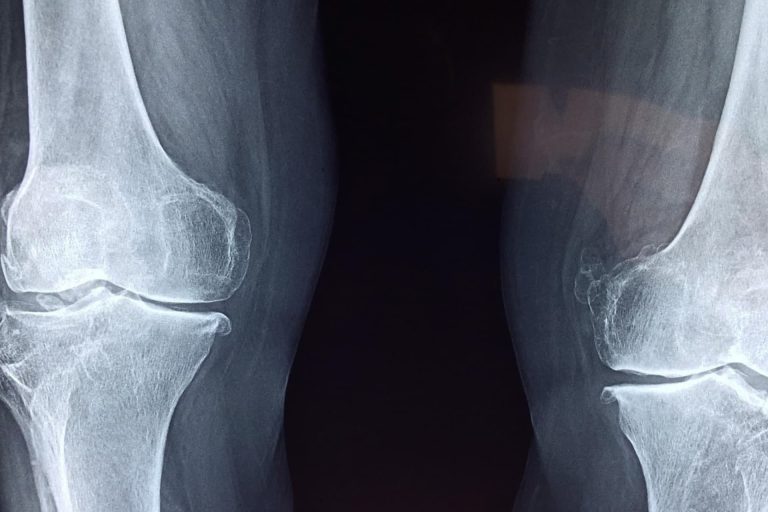
Orthopedic care addresses both acute injuries and chronic conditions. Common concerns include fractures, sprains, strains, sports injuries, arthritis, back and neck pain, joint instability, and degenerative diseases that develop over time. Providers evaluate each condition through detailed medical histories, physical examinations, and diagnostic imaging such as X-rays, MRIs, or CT scans. These tools allow for accurate diagnosis and personalized treatment planning based on the severity of the condition and the patient’s lifestyle needs.
Treatment in orthopedics is often progressive and individualized. Many conditions can be managed through non-surgical approaches, including physical therapy, activity modification, pain management strategies, and targeted injections. Rehabilitation plays a central role in restoring mobility, strengthening muscles, and improving joint stability. By focusing on movement mechanics and proper conditioning, rehabilitation helps reduce pain and prevent future injury.
When conservative treatments are not sufficient, surgical intervention may be recommended. Orthopedic surgery addresses a wide range of conditions, from repairing torn ligaments and tendons to joint replacement and fracture fixation. Advances in surgical techniques and technology have improved outcomes, shortened recovery times, and enhanced overall patient comfort. Minimally invasive procedures, when appropriate, allow for faster healing and earlier return to daily activities.
A key goal of orthopedic care is restoring function and helping patients return to their normal routines. Whether the goal is returning to work, resuming athletic activity, or maintaining independence in daily life, treatment plans are tailored to each individual’s physical demands and long-term goals. Providers consider age, activity level, occupation, and overall health when developing care strategies, ensuring that treatment aligns with both medical needs and personal priorities.
Orthopedics also plays a preventive role in healthcare. Education on proper body mechanics, posture, and injury prevention can reduce the risk of future problems. For individuals with physically demanding jobs or active lifestyles, preventive care helps minimize wear and tear on joints and muscles. Early evaluation of pain or discomfort allows for timely intervention, often preventing minor issues from becoming more serious conditions.
In addition to physical recovery, orthopedic care supports long-term health and independence. Maintaining strength, balance, and mobility is essential for overall well-being, particularly as people age. Effective orthopedic treatment can reduce the risk of falls, improve mobility, and enhance quality of life by allowing individuals to remain active and engaged in their daily activities.
Through comprehensive evaluation, personalized treatment, and a focus on functional recovery, orthopedics plays a vital role in helping patients move with confidence and comfort. By addressing both injury and prevention, orthopedic care supports patients in returning to work, sports, and everyday activities with improved strength, stability, and quality of life.