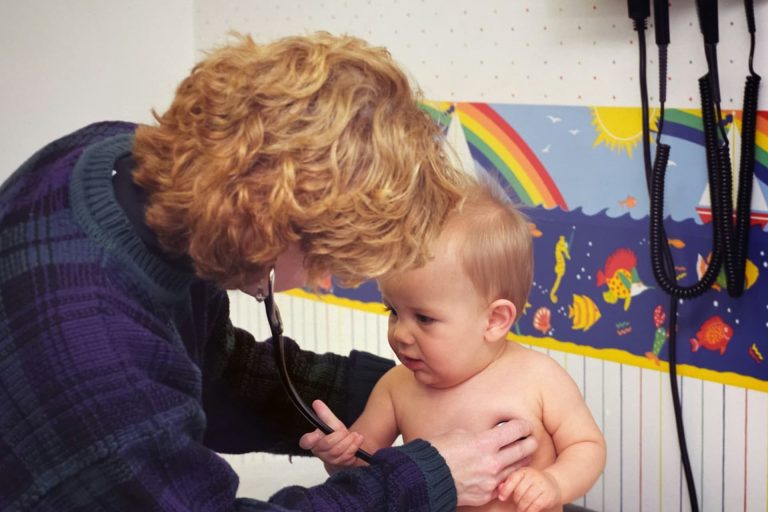

Children are not simply smaller versions of adults. Their bodies develop rapidly, illnesses present differently, and treatment approaches must be carefully adapted to each stage of growth. Pediatrics exists as a distinct medical specialty to address these unique needs, providing healthcare specifically designed for infants, children, and adolescents as they grow and develop.
Pediatric care often begins even before birth. Prenatal consultations help expectant parents prepare for the arrival of their child and understand what to expect during the newborn period. After delivery, newborns are evaluated in the hospital with careful attention to vital signs, reflexes, feeding patterns, and overall development. These early assessments help identify potential concerns and establish a foundation for healthy growth.
During the first year of life, children are seen frequently for routine wellness visits. These visits typically occur within the first few days of life, followed by appointments at two weeks, two months, four months, six months, nine months, and twelve months. Each visit includes monitoring growth patterns, assessing developmental milestones, administering recommended immunizations, and addressing questions or concerns from parents and caregivers. Regular well-child visits allow healthcare providers to track physical, cognitive, and emotional development while promoting preventive care.
Childhood illnesses are a common part of pediatric medicine. Conditions such as ear infections, sore throats, respiratory infections, stomach illnesses, asthma, and allergies are frequently evaluated and treated. Pediatric care involves distinguishing between viral illnesses, which often resolve on their own, and bacterial infections that may require antibiotics. Careful evaluation is especially important in children, as symptoms can overlap and change quickly.
Many children also require ongoing care for chronic conditions such as asthma, diabetes, epilepsy, or attention-deficit/hyperactivity disorder (ADHD). These conditions require regular monitoring, medication adjustments, and coordination with families to ensure effective management as children grow and their needs evolve. Pediatric care emphasizes continuity, allowing providers to follow children over time and adjust treatment plans as development progresses.
Developmental screening is another essential component of pediatric care. Regular assessments help identify potential concerns related to speech, learning, behavior, or social development. Screening for autism spectrum disorder, learning challenges, and emotional or behavioral difficulties allows for early intervention, which can significantly improve long-term outcomes. When needed, families are connected with specialists, therapists, and educational resources to support the child’s development.
Adolescent care presents its own unique challenges. Teenagers experience rapid physical, emotional, and social changes that require age-appropriate medical attention. Pediatric care during adolescence includes guidance on puberty, mental health, nutrition, and healthy decision-making. Confidential care is an important part of adolescent medicine, helping teens feel comfortable discussing sensitive topics such as mental health, substance use, and sexual health.
Preventive care remains a priority during the teenage years. Recommended vaccinations, including HPV, meningococcal, and other age-appropriate immunizations, help protect long-term health. Screening for depression, anxiety, eating disorders, and risky behaviors allows for early support and intervention when needed.
Pediatric medicine takes a whole-child approach, addressing physical health, emotional well-being, and developmental progress. By focusing on prevention, early detection, and age-appropriate treatment, pediatric care supports children through every stage of growth—helping them develop into healthy, confident adults.